Introduction
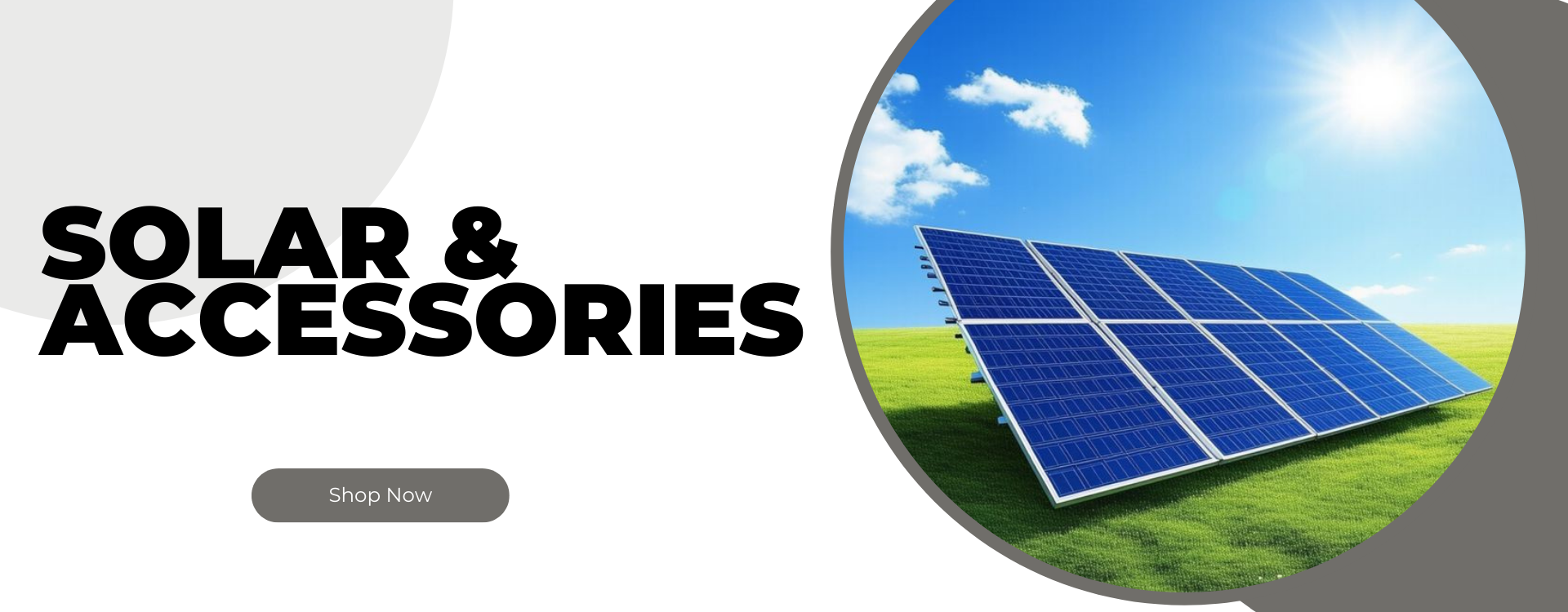
Switching to solar energy is a smart and sustainable investment for homes and businesses. Solar power helps reduce electricity costs, lowers carbon footprint, and provides long-term energy independence. However, choosing the right solar panels and accessories can be challenging with so many options available. Understanding your energy needs, system components, and product quality will help you make the right decision. This guide will walk you through everything you need to know before purchasing solar panels and accessories.
Understand Your Energy Requirements
The first step in choosing a solar system is evaluating your energy consumption. Review your monthly electricity bills to determine average usage. Homes with higher energy demands require larger solar panel systems. Small households or outdoor setups may need compact solutions. Accurately calculating your energy needs ensures you invest in the right capacity.
Choose the Right Type of Solar Panels
There are different types of solar panels available in the market. Monocrystalline panels are known for high efficiency and sleek design. Polycrystalline panels are cost-effective and suitable for moderate energy needs. Thin-film panels are lightweight and flexible for specific applications. Selecting the right type depends on your budget, space availability, and efficiency expectations.
Check Panel Efficiency and Performance
Efficiency determines how much sunlight a panel converts into usable electricity. Higher efficiency panels produce more power in limited space. Consider performance ratings and temperature tolerance. Panels with strong warranties often indicate better durability and reliability. Long-term performance should be a key factor in your decision.
Select the Right Solar Inverter
The inverter is a crucial component of any solar system. It converts direct current (DC) from panels into usable alternating current (AC). String inverters are common for residential systems. Microinverters work individually with each panel for improved performance. Hybrid inverters support battery storage systems. Choosing the right inverter ensures optimal system efficiency.
Consider Battery Storage Options
Solar batteries store excess energy for later use. This is especially useful during power outages or nighttime hours. Lithium-ion batteries are popular for their long lifespan and efficiency. Lead-acid batteries are more affordable but require maintenance. Battery capacity should align with your energy consumption needs.
Evaluate Mounting Structures and Installation
Proper mounting systems ensure panel stability and maximum sunlight exposure. Roof-mounted systems are common for residential properties. Ground-mounted systems are suitable for larger spaces. Adjustable mounts can improve energy capture. Professional installation guarantees safety and optimal positioning.
Choose Quality Solar Accessories
Solar systems require essential accessories for smooth operation. Charge controllers regulate battery charging and prevent overcharging. Solar cables and connectors ensure safe power transmission. Monitoring systems allow you to track performance in real time. Investing in high-quality accessories improves safety and efficiency.
Consider Location and Climate
Your geographical location impacts solar performance. Areas with abundant sunlight generate more energy. Panels should be installed at the correct angle for maximum exposure. Weather conditions such as heavy rain or snow may require durable, weather-resistant equipment. Choosing products suited to your climate ensures long-term reliability.
Compare Warranty and Brand Reputation
Reliable brands typically offer strong warranties and customer support. A good warranty covers panel performance and product defects. Research customer reviews and brand history before purchasing. Trusted manufacturers often provide better quality and long-term service assurance.
Plan Your Budget Wisely
Solar systems are a long-term investment. While initial costs may seem high, savings accumulate over time. Balance cost with quality and performance. Avoid choosing solely based on price. Investing in durable, efficient products ensures better returns in the future.
Conclusion
Choosing the right solar panels and accessories requires careful planning and research. Understanding your energy needs, selecting efficient panels, and investing in reliable accessories are key steps. Proper installation and maintenance further enhance performance and longevity. By making informed decisions, you can enjoy clean, sustainable energy and long-term savings. Solar power is not just an upgrade — it is a smart move toward a greener future. ☀️